



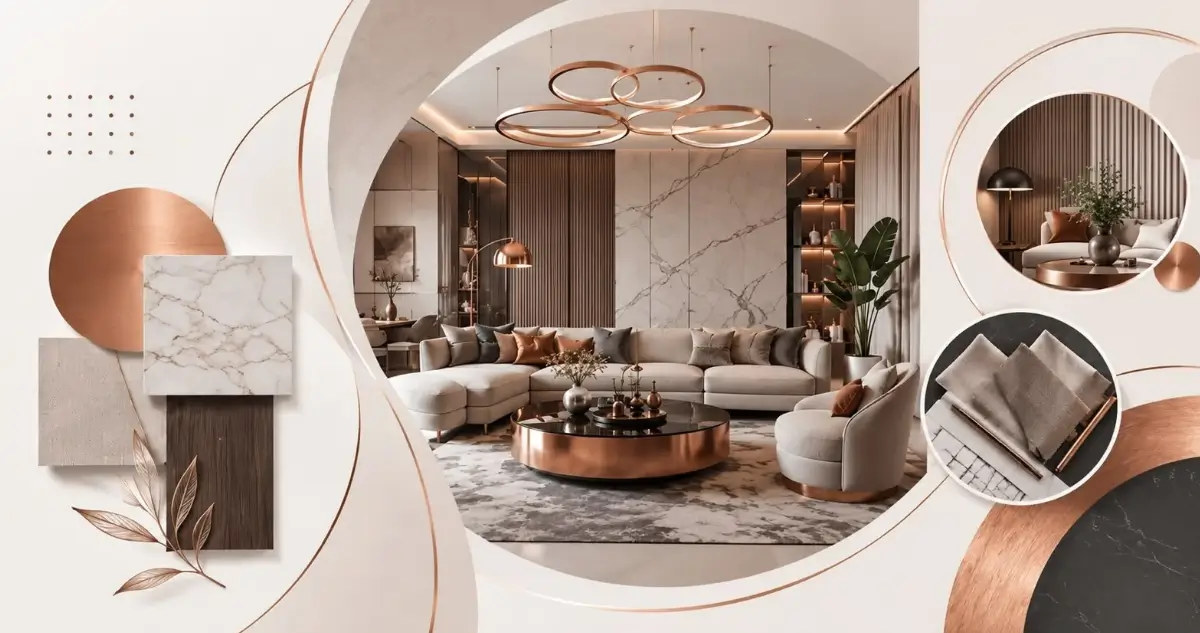
Interior Design Dubai & Abu Dhabi involves more than choosing attractive furniture and finishes. If you are designing a villa, apartment, office, or commercial space, you need to consider how the layout works, how materials perform, how lighting affects each area, and how the design supports the way you use the property.
Whether you are building a new property or renovating an existing one, the right interior design decisions can improve functionality, comfort, and the overall quality of the space. This guide covers the key considerations for residential and commercial interiors in Dubai and Abu Dhabi, including design styles, services, costs, and what to consider before starting your project.
Villa Interior Design Dubai & Abu Dhabi
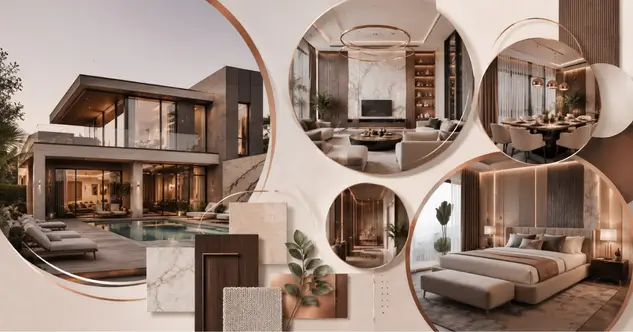
Villa interior design Dubai & Abu Dhabi combines luxury, functionality, and thoughtful planning to create a home that is visually impressive and comfortable for everyday living.A successful villa design typically focuses on the following elements:
Space Planning and Layout:
The first stage of villa interior design is developing a functional layout that makes effective use of every area of the property. Large villas often include multiple living rooms, dining areas, home offices, entertainment spaces, and outdoor connections, making space planning one of the most important aspects of the design process.
G&M designers carefully analyze traffic flow, furniture placement, natural lighting, and room proportions to ensure each space remains practical without sacrificing elegance, a balance that becomes even more critical in small villa design in the UAE, where every room has to serve more than one purpose.
Choosing the Right Interior Design Style:
Selecting an interior design style establishes the visual identity of the villa. While many homeowners in Dubai and Abu Dhabi prefer modern villa design featuring clean lines, neutral color palettes, and premium materials, others choose classic designs with decorative moldings, rich textures, and timeless architectural details.
The selected style should complement both the villa’s exterior architecture and the lifestyle of its residents, creating a cohesive design throughout the property. In the capital, many families extend this thinking to Arabic villa design in Abu Dhabi, pairing traditional architectural character with modern comfort. Effective interior designing also helps bring these elements together without applying the same visual approach to every villa.
Material Selection and Finishes:
The quality of materials influences both the appearance and durability of a villa’s interior. G&M designers carefully select flooring, wall finishes, ceilings, woodwork, natural stone, fabrics, and decorative elements to achieve a refined look while supporting long-term performance.
Material choices should also remain consistent across connected spaces to maintain a cohesive design throughout the villa.
Lighting Design:
Lighting is one of the defining elements of luxury villa interiors. Rather than relying on a single source of illumination, G&M designers combine ambient, task, and accent lighting to create different moods throughout the home.
Natural daylight can also play an important role in the design through large windows, skylights, and open layouts, helping the interior feel brighter and more spacious.
Customized Furniture and Interior Details:
Luxury villas often require custom-made furniture and tailored interior solutions that match each room’s dimensions and design concept. Built-in storage, bespoke wardrobes, feature walls, decorative ceilings, and customized kitchens can help create interiors that are both distinctive and functional.
Personalized design details also allow homeowners to reflect their preferences while maintaining a consistent design language across the villa.
Smart Home Integration:
Many modern villas in Dubai and Abu Dhabi incorporate smart home technologies into the interior design process. Automated lighting, climate control, security systems, motorized curtains, and entertainment solutions can all be integrated without affecting the visual appeal of the interior.
AI-powered automation can adjust lighting based on natural daylight, regulate indoor temperatures according to occupancy, optimize energy consumption, and support home security through intelligent monitoring and real-time alerts. It can also enable personalized automation scenarios, allowing multiple devices to work together through voice commands or a single mobile application.
At G&M Enterprise, interior designers collaborate with AI specialists from the early planning stage to determine suitable locations for sensors, control panels, concealed wiring, and smart devices. This integrated approach helps incorporate intelligent technologies without compromising the architectural design while creating a more seamless, future-ready living experience.
For a more detailed look at designing luxury homes, explore our Villa Interior Design guide.
Apartment Interior Design Dubai & Abu Dhabi
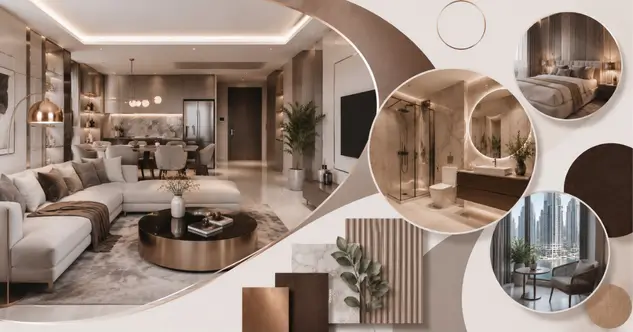
Apartment interior design requires a different approach from villa design because every square meter must be planned carefully to balance comfort, functionality, and visual appeal. As part of Interior Design Dubai, apartment projects focus on making the most of available space while creating stylish and practical living environments.
In Dubai and Abu Dhabi, G&M interior designers create apartment interiors that combine elegance with everyday functionality, regardless of the property’s size. For homeowners exploring home interior design Abu Dhabi solutions, careful space planning is especially important when balancing comfort, storage, and daily use. A successful apartment interior design typically includes the following elements:
Maximizing Space Efficiency:
One of the main priorities in apartment interior design is using the available space effectively. Unlike villas, apartments often have more defined layouts, which require careful planning to avoid overcrowding and ensure each area serves a clear purpose.
G&M interior designers optimize furniture placement, circulation paths, and room proportions to create layouts that feel open, balanced, and easy to navigate.
Creating a Functional Open-Plan Layout:
Many modern apartments in Dubai feature open-plan living areas that combine the kitchen, dining room, and living room into one continuous space. A well-planned open layout can improve natural light, create a greater sense of space, and support better interaction between different areas of the home.
Designers use furniture placement, rugs, lighting, and subtle changes in materials to define each zone without relying on unnecessary walls, and most practical interior design ideas for living room spaces in UAE apartments start with this kind of zoning.
Smart Storage Solutions:
Storage plays an important role in keeping an apartment organized and visually clean. Where space is limited, designers can incorporate custom wardrobes, hidden cabinets, floating shelves, under-bed storage, and multifunctional furniture.
These solutions help reduce clutter while keeping essential items accessible and maintaining a clean interior.
Choosing Colors and Materials:
Color choices can influence how spacious and bright an apartment feels. Neutral tones, soft textures, reflective surfaces, and natural materials can create a lighter and more open atmosphere.
Designers also select flooring, wall finishes, and decorative materials based on durability, maintenance, and how well they support the overall design concept.
Lighting Design for Apartments:
Lighting helps create depth, define different zones, and shape the atmosphere of an apartment. G&M designers combine natural light with layered artificial lighting, including ceiling fixtures, wall lights, pendant lights, and accent lighting.
A well-planned lighting scheme can also make smaller spaces feel more open while highlighting important architectural and decorative features.
Custom Furniture and Space Optimization:
Standard furniture does not always suit apartment proportions or layouts. Custom-made pieces allow designers to use difficult corners, limited wall space, and compact rooms more effectively.
Built-in TV units, custom wardrobes, compact dining solutions, and multifunctional furniture can increase storage and usability without making the space feel crowded.
Designing Apartments for Different Lifestyles:
Every apartment should respond to the lifestyle of its occupants. A home for a young professional may prioritize a home office and a minimalist layout, while a family apartment may need additional storage, child-friendly planning, and more flexible living areas.
By understanding daily routines and future needs, interior designers can create spaces that remain practical, comfortable, and visually cohesive over time.
Interior Design Cost in Dubai & Abu Dhabi
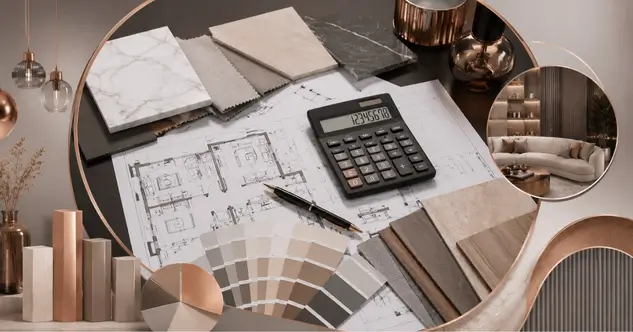
Interior design costs in Abu Dhabi and Dubai vary based on property size, project scope, design style, customization, materials, and required services. For clients comparing interior design UAE options, understanding these factors early helps set a realistic budget and avoid unexpected costs.
The main factors that influence interior design costs include:
Property Type and Size:
Property size and type have a major impact on cost. A villa typically requires a higher budget than an apartment because it may include more rooms, larger living areas, outdoor connections, and a greater need for custom design elements.
Commercial spaces, offices, restaurants, and retail properties also have different technical, functional, and material requirements that affect overall costs.
Design Style:
The chosen design style can influence both material and labor costs. Minimalist and contemporary interiors often rely on simpler detailing, while classic and luxury interiors may include decorative moldings, custom furniture, premium finishes, and handcrafted features.
The design direction should therefore reflect both aesthetic preferences and the available budget.
Material Quality and Finishes:
Flooring, wall finishes, ceilings, natural stone, wood, fabrics, lighting fixtures, and decorative elements come in different quality levels and price ranges.
When selecting materials, consider durability, maintenance, appearance, and suitability for the way the space will be used rather than price alone.
Custom Furniture and Joinery:
Custom-made elements can increase project costs because designers develop them specifically for the dimensions and requirements of the space. These may include built-in wardrobes, bespoke kitchens, TV units, shelving, and feature walls.
Custom solutions can also improve space efficiency and provide a more tailored result where standard furniture does not fit the layout effectively.
Scope of Interior Design Services:
The project scope directly affects the total cost. Some clients need only concept development and space planning, while others require a broader package that includes 3D visualization, material selection, procurement, site supervision, furniture installation, and final styling.
A full-service approach may involve a larger initial scope, but it can simplify coordination by keeping design, procurement, and implementation under a more structured process.
How to Plan Your Interior Design Budget?
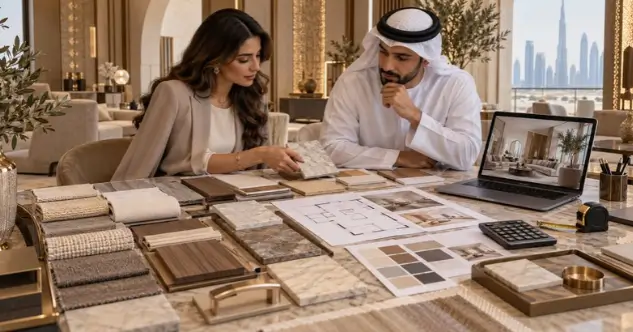
According to Mordor Intelligence, the UAE interior design market is projected to grow from USD 1.94 billion in 2026 to USD 3.11 billion by 2031, at a CAGR of 9.83%, reflecting continued demand for high-quality residential and commercial interiors. A clear budget helps you prioritize spending and make design decisions before costs increase during the project. To plan your interior design budget effectively:
- Define Your Priorities: Decide where premium finishes or custom elements matter most and where more cost-effective alternatives can achieve the required result.
- Set a Realistic Budget: Establish your overall spending limit early and keep a contingency for unexpected changes or additional requirements.
- Request a Detailed Quotation: Ask for a clear breakdown of design fees, materials, furniture, custom work, installation, and other project costs.
- Review the Project Scope: Confirm which services, deliverables, and responsibilities the quotation includes before work begins.
- Compare Material Options: Discuss alternatives with your designer based on durability, maintenance, appearance, and cost.
- Track Costs Throughout the Project: Review approved changes and additional expenses as the project progresses to keep spending aligned with the agreed budget.
How to choose the best Interior Design Companies in Dubai & Abu Dhabi
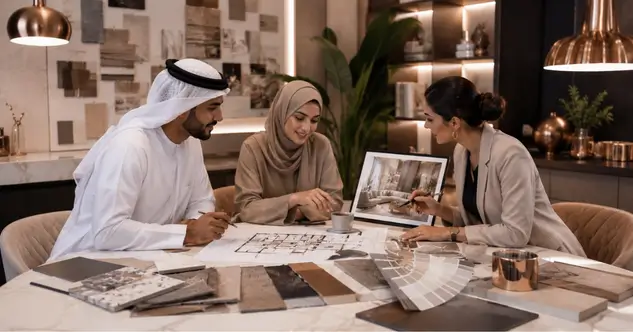
Choosing the right interior design company in Dubai or Abu Dhabi requires looking beyond attractive portfolios and competitive prices. Experience, services, communication, project management, and the company’s ability to understand your requirements all affect the final result. The criteria used to identify the best interior design company can help you compare your options more effectively:
Review the Company’s Portfolio
Look at completed projects similar to yours in property type, scale, and design requirements. Pay attention to functionality, materials, detailing, and how consistently the company translates its concepts into finished spaces.
Check Industry Experience
Choose a company with experience in projects similar to yours and knowledge of working in Dubai and Abu Dhabi. Relevant experience helps the team understand property requirements, site conditions, materials, and potential project challenges.
Evaluate the Range of Services
Confirm whether the company provides the level of support your project needs. Services may include concept development, space planning, 3D visualization, technical drawings, material selection, lighting design, custom furniture, supervision, and execution coordination.
Understand the Design Process
Ask how the company manages each stage, from the initial consultation and concept development to design approvals, detailed planning, implementation, and final handover. A clear process helps you understand what to expect throughout the project.
Review Communication and Project Management
Find out who will manage your project, how often the team will provide updates, and how they handle design changes, approvals, contractors, suppliers, and other project requirements.
Compare Budget and Timeline
Review the quotation, project scope, deliverables, payment stages, exclusions, and expected timeline before making a decision. Compare the overall value and level of support rather than choosing based on the lowest price alone, since price gaps between the best interior design companies in the UAE usually reflect differences in scope and service.
Make Sure the Team Understands Your Vision
The right interior design company should understand how you want the space to look and function. The team should also explain how its recommendations support your lifestyle or business needs, property, priorities, and available budget.
Modern vs Classic Interior Design Styles
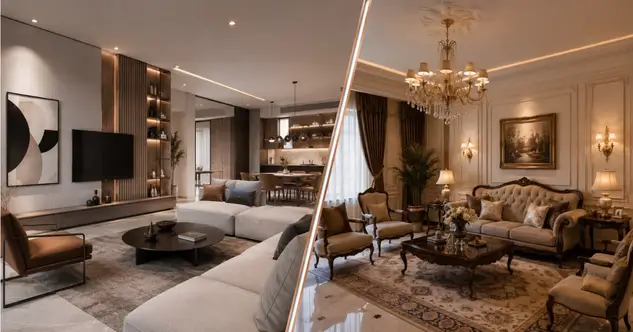
Choosing between modern and classic interior design depends on your personal preferences, lifestyle, and the overall character of your property. While both styles can create elegant and functional interiors, each offers a distinct aesthetic and atmosphere that influences the look and feel of the space.
Modern Interior Design
Modern interior design focuses on simplicity, functionality, and clean aesthetics. Effective interior designing in this style relies on open spaces, minimal decoration, and a balanced use of materials to create bright and organized interiors. In UAE homes, modern interior design increasingly leans toward warm neutrals and natural materials that suit Gulf light and hide desert dust.
- Clean lines and simple forms: Furniture and architectural details feature sleek silhouettes with minimal ornamentation, creating a refined and uncluttered appearance.
- Neutral color palettes: Shades such as white, beige, gray, and black are commonly used, often complemented by natural wood or subtle accent colors to add warmth and character.
- Open and functional layouts: Modern interiors prioritize spaciousness and smooth movement between different areas, making them ideal for contemporary villas and apartments.
- Natural light and minimal décor: Large windows, glass elements, and carefully selected decorative pieces help create a bright and sophisticated environment without visual clutter.
- Smart technology integration: Modern homes often incorporate smart lighting, climate control, security systems, and automated features that improve comfort and convenience.
Classic Interior Design
Classic interior design is inspired by timeless European architecture and traditional craftsmanship. It creates luxurious interiors through elegant details, rich materials, and carefully balanced proportions that never go out of style, the same qualities that define classic villa design in Dubai & Abu Dhabi.
- Decorative architectural details: Crown moldings, wall paneling, decorative ceilings, and elegant columns add depth and sophistication to the interior.
- Rich materials and luxurious finishes: Marble, natural wood, crystal chandeliers, velvet fabrics, and premium finishes contribute to an upscale and timeless appearance.
- Warm and elegant color schemes: Cream, ivory, gold, deep brown, navy, and other rich tones create a welcoming atmosphere with a sense of luxury.
- Statement furniture: Classic interiors feature handcrafted furniture with intricate carvings, curved shapes, and high-quality upholstery that serve as focal points in each room.
- Timeless elegance: Rather than following short-term design trends, classic interiors emphasize long-lasting beauty that remains visually appealing for many years.
| Feature | Modern Interior Design | Classic Interior Design |
| Overall Style | Clean, minimalist, and contemporary | Elegant, luxurious, and timeless |
| Color Palette | Neutral tones with subtle accents | Warm colors with rich and sophisticated shades |
| Furniture | Simple designs with clean lines | Ornate furniture with decorative details |
| Materials | Glass, metal, concrete, natural wood | Marble, solid wood, crystal, premium fabrics |
| Decorative Elements | Minimal accessories and uncluttered spaces | Decorative moldings, chandeliers, and intricate details |
| Lighting | Natural light with modern lighting fixtures | Statement lighting with classic chandeliers and layered illumination |
| Best For | Contemporary apartments, modern villas, and urban living | Luxury villas, traditional homes, and elegant interiors |
| Maintenance | Generally easier to maintain | May require more maintenance due to decorative finishes |
| Overall Atmosphere | Bright, open, and functional | Warm, sophisticated, and luxurious |
Reviewing G&M’s interior design projects can help you compare how modern and classic design approaches translate into completed spaces across Dubai and Abu Dhabi.
Which Interior Design Style Is Right for You?
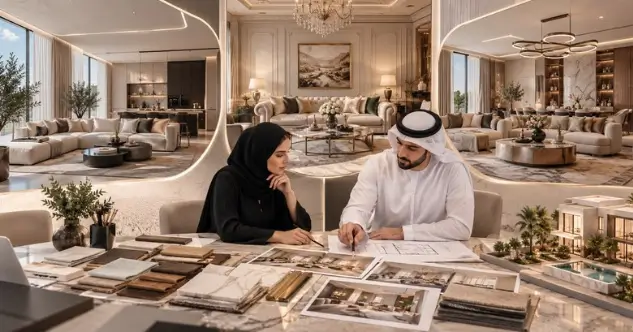
The right interior design style depends on your lifestyle, property type, and the atmosphere you want to create. For homeowners exploring home interior design Abu Dhabi solutions, choosing a style should also consider how the space will function in everyday life:
- Choose a style that matches your lifestyle: Modern interiors suit homeowners who prefer simplicity, open layouts, and contemporary living.
- Consider the character of your property: Classic interiors are ideal for those who appreciate timeless elegance, decorative details, and luxurious finishes.
- Explore a transitional design: Combining modern simplicity with selected classic elements creates interiors that feel sophisticated, welcoming, and timeless.
- Think about long-term functionality: Select a design style that not only looks appealing but also supports your daily needs and adapts to your lifestyle over time.
Transform your property with G&M Enterprise’s Interior/Exterior Design services, delivering customized design solutions for residential and commercial projects across Dubai and Abu Dhabi.
contact us
Adress: Abu Dhabi – Al Wahda Area
Phone: +971 2 446 9100
Phone: +971 50 4850 820
Email: info@gandm.ae
Interior Design Services
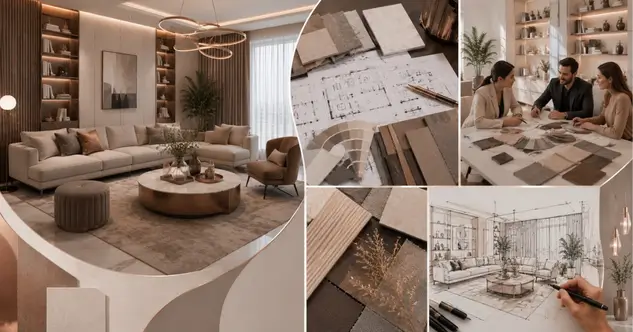
Professional interior design services in Abu Dhabi and Dubai cover every stage of creating a functional, comfortable, and visually appealing space. For clients exploring interior design UAE solutions, understanding the full scope of services can help determine the level of design and project support required.
Whether you are furnishing a new property, renovating an existing home, or designing a commercial space, G&M interior designers provide tailored solutions that guide the project from initial planning through the final details.
Interior Design Consultation:
Every successful project begins with a detailed consultation to understand the client’s goals, lifestyle, functional requirements, design preferences, and budget. This initial stage helps designers develop a clear vision before moving into the planning and design process.
Space Planning:
Effective space planning allows designers to maximize every area of the property efficiently. Designers create layouts that improve circulation, maximize functionality, and make the best use of available space while maintaining visual balance throughout the interior.
Concept Design and 3D Visualization:
Before construction or renovation begins, designers develop concept boards, mood boards, and realistic 3D visualizations that allow clients to see how the finished space will look. This stage makes it easier to evaluate colors, furniture layouts, materials, and decorative elements before final decisions are made, and 3D room design also lets clients test how UAE daylight changes each room at different times of day.
Material and Finish Selection:
Choosing the right materials is essential for achieving both durability and aesthetic appeal. Interior designers help clients select flooring, wall finishes, lighting fixtures, fabrics, natural stone, wood, and decorative accessories that complement the overall design concept.
Custom Furniture and Joinery:
Many projects require bespoke furniture and built-in solutions that maximize functionality while creating a unique appearance. Custom wardrobes, kitchens, entertainment units, shelving, and storage systems are designed specifically to fit the dimensions and style of each space.
Project Management and Site Supervision:
Professional interior design services often include coordinating contractors, monitoring construction progress, reviewing installation quality, and ensuring that every stage of the project follows the approved design plans. Proper project management helps reduce delays and maintain high-quality standards throughout the implementation process.
Interior Styling and Finishing Touches:
The final stage focuses on completing the space with carefully selected furniture, artwork, decorative accessories, rugs, curtains, plants, and lighting details. These finishing touches add personality and create a cohesive interior that feels complete and ready to enjoy.
Conclusion
A successful Interior Design Dubai & Abu Dhabi project starts with clear planning, the right design direction, and decisions that support both the look and function of the space.
Whether you are designing a villa, apartment, or commercial property, understanding the process helps you make better choices from concept to completion. Working with experienced professionals can help turn your ideas into a cohesive interior that suits your property, priorities, and everyday needs.
FAQ
Should I Choose a Modern or Classic Interior for My Home?
The right choice depends on your property, lifestyle, and design preferences. Modern interiors generally favor clean layouts, simpler detailing, and contemporary materials, while classic interiors use richer finishes and more decorative architectural elements. A transitional approach can also combine elements of both styles.
Can an Interior Designer Work with My Existing Furniture?
Yes. An interior designer can assess which existing pieces suit the new layout and design direction, then incorporate, reposition, or complement them with new furniture and finishes where needed.
What Should I Prepare Before Starting an Interior Design Project?
Start with your preferred style, functional requirements, approximate budget, property plans if available, and examples of interiors you like. It also helps to identify any furniture you want to keep and any specific storage, lighting, or lifestyle requirements.
Is Interior Design Different for Villas and Apartments in Dubai and Abu Dhabi?
Yes. Villas often require planning across larger spaces, multiple living areas, privacy zones, and custom features. Apartments typically require greater attention to space efficiency, storage, furniture scale, and circulation.